


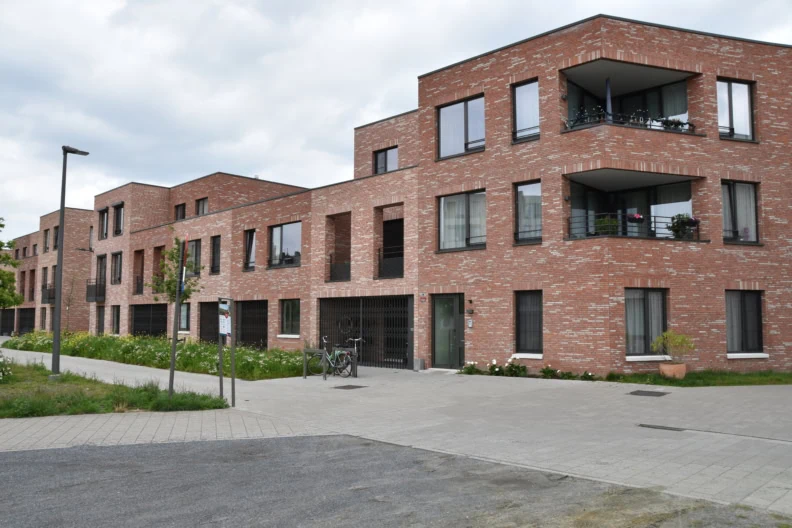
This is especially relevant at a time when the construction industry across Belgium and wider Europe continues to face a shortage of experienced bricklayers. Many site teams now include people with differing levels of experience, often working to demanding programmes.
That makes clear and accessible guidance increasingly valuable. The aim of this article is not to replace the knowledge of skilled tradespeople or provide a project-specific installation manual, but to highlight straightforward good site practice that can help protect the appearance of the brickwork throughout construction.
Recognising brick as a natural material
Clay brick is made from a naturally occurring raw material. Although the production process is carefully controlled, the chemical composition of the clay can vary, contributing to natural differences in colour and texture. These variations are an important part of the material’s character. A red brick, for example, may contain different concentrations of naturally occurring minerals, creating softer or deeper tones across the production run.
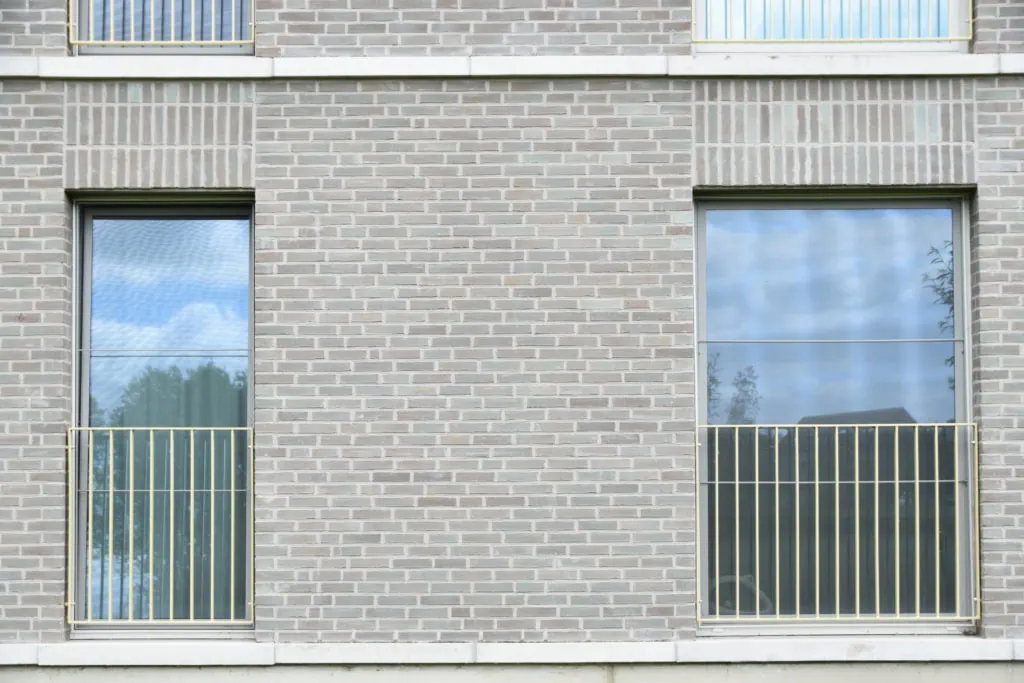
For this reason, brickwork should be considered as a complete elevation and viewed from an appropriate distance. Individual bricks are not intended to look identical when examined at close range. The aim is to blend those natural variations across the façade, so the finished result feels balanced and consistent.
Check the delivery before work begins
Bricks should be inspected when they arrive on site to confirm that the delivery corresponds with the product ordered. Project teams should report any concerns about the product, its appearance or visible damage before the bricks are laid. Once incorporated into the masonry, resolving these issues can become significantly more difficult.
Where possible, the full quantity required for a project should be ordered together. This can help reduce avoidable differences between production runs. Where a project requires several deliveries, remaining packs from the earlier delivery should be blended with packs from the new delivery. Measurements and setting-out decisions should also be based on bricks taken from the packs that will actually be used. Technical data and samples are useful during specification, but the delivered product provides the most reliable basis for establishing dimensions and coursing on site.
Project teams should always consult the relevant Floren technical information and current manufacturer guidance before work begins.
Mix bricks across several packs
Effective mixing is one of the most important steps in achieving an attractive and balanced façade. Rather than completing one pallet before moving to the next, bricks should be taken simultaneously from four to six pallets. They should be drawn diagonally down through the packs, taking bricks from different layers as work progresses.
When the first group of pallets is almost empty, bricks from the next group should be introduced and mixed with those remaining. This approach distributes natural colour and tonal variation across the elevation. Without adequate mixing, those variations can become concentrated in particular areas, creating visible patches or bands in the completed brickwork. Mixing is particularly important where the brick has a broad tonal range.
Keep bricks clean and dry in storage
Bricks should be stored on a clean, dry and stable surface. Raising pallets above the ground on suitable supports can help protect them from rising moisture, mud and standing water. Packs should also be protected from rain and splash contamination. Packaging should not be treated as complete protection, as moisture and dirt can become trapped between the wrapping and the brick.
Cement residue, soil and dirty rainwater can all leave marks before the bricks have even been laid. Careful positioning of the storage area can therefore prevent difficult cleaning work later in the project.
Prevent contamination during construction
Mortar splashes should be avoided wherever possible and removed before they harden. Cleaning should be carried out carefully with suitable soft materials and clean water, following the manufacturer’s guidance.
This requires particular care with pale brick colours, including whites, yellows and lighter pink tones, where contamination can be more visible. Dark mortar or pointing residue may also be more noticeable against a light brick face.
When bricks need to be cut, the visible surface should be cleaned promptly using clean water and an appropriate brush. Cutting dust can enter the pores of a damp brick and become difficult to impossible to remove once it has dried. Cement residue should be cleared before pointing. Unspecified acids or aggressive cleaning products should not be used as a general treatment for staining or efflorescence.
Where specialist cleaning or remedial work is required, advice should be sought from Floren or the relevant product manufacturer. Project teams can contact the Floren technical team for product-specific support.

Protect fresh masonry from water
Fresh masonry is particularly sensitive to water penetration. Bricks and mortar contain networks of small pores. Water can move through these pores by capillary action, carrying soluble salts with it. This movement of moisture through fresh masonry is often referred to as water migration.
Controlling water migration is important because moisture can transport soluble salts through the pore structure of both the brick and mortar. When the water reaches the surface and evaporates, those salts can crystallise and become visible as a white haze, flakes or harder deposits. This is known as efflorescence.
The risk is greater in new masonry because the pore structure of fresh mortar is still developing. At this stage, water can move more readily between the mortar and the capillaries within the brick. Preventing excessive water migration is therefore one of the most effective ways to reduce the likelihood of efflorescence.
At the end of the working day, the top of the wall and approximately the upper 800 mm of fresh masonry should be protected with a suitable overhanging waterproof covering. The covering should be secured against wind while allowing sufficient ventilation. Materials that could release colour or leave stains when wet should not be placed directly against the masonry.
Freshly poured concrete close to the brickwork may also require protection. Rainwater can wash soluble salts from the concrete and carry them into adjacent bricks, where they may appear on the façade as the wall dries. Drainage components, coping stones, gutters and rainwater pipes should be installed at the appropriate stage, and water should not be allowed to run repeatedly down the face of the brickwork.
Adapt protection to the weather
Good protection is also important during periods of hot, dry or cold weather. In prolonged warm and dry conditions, fresh masonry may need to be lightly dampened to prevent the mortar from drying before it has hardened correctly. This should be done carefully to avoid saturating or soiling the wall.
Masonry work at temperatures below 5°C is strongly discouraged. Frozen bricks, sand or other materials should not be used, and work should not continue on frozen masonry. Where cold-weather construction is unavoidable, additional precautions will be required. These may include protecting materials from moisture, adjusting working methods and covering fresh masonry with suitable insulating materials. The appropriate approach will depend on the product, mortar, construction system and site conditions.
Prevention is better than correction
Many of the issues that affect the appearance of brickwork are easier to prevent than to correct once the wall is complete. A simple routine of checking, mixing, clean storage, careful cutting and effective weather protection can make a meaningful difference to the finished result.
Practical points to remember:
- * Inspect deliveries and raise any concerns before the bricks are laid.
- * Store pallets above clean, dry ground and protect them from rain and splash contamination.
- * Mix bricks simultaneously from four to six pallets.
- * Clean cutting dust and mortar residue before they dry.
- * Protect the top and upper section of fresh masonry at the end of the working day.
- * Prevent water from running over or migrating through newly completed brickwork.
- * Seek manufacturer advice before using specialist cleaning products or carrying out remedial work.
Clay brick is valued for its natural variation, durability and distinctive appearance. By respecting the material and applying consistent care on site, project teams can help preserve that character and deliver façades that reflect the architect’s original intent.
Explore the full Floren product range or contact the Floren team for product-specific information and technical support.